How to care for a leather golf glove
Good cabretta rewards a little care. How to dry a glove after the round, why rotation works, when to switch to a rain glove and how to store it.
3 min read
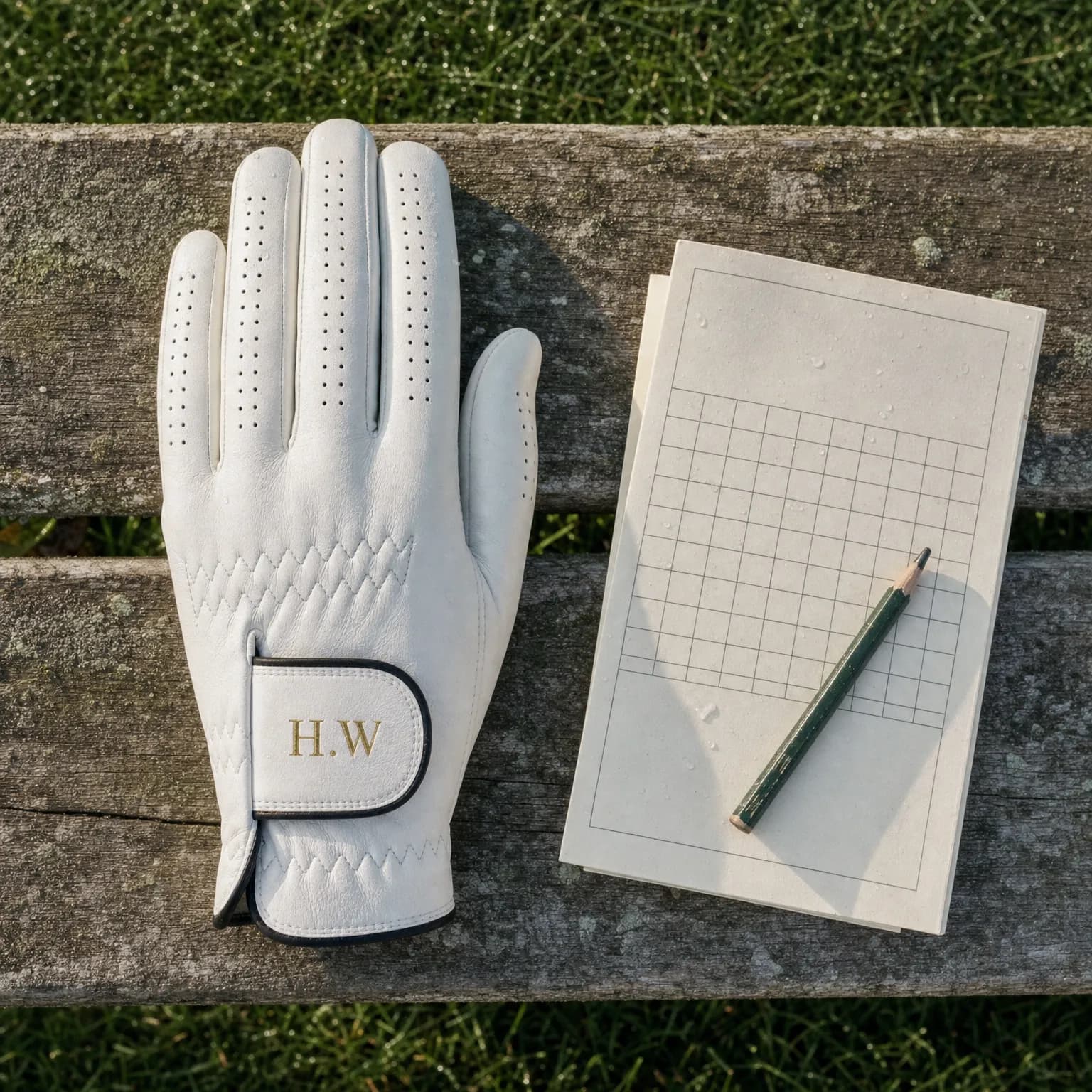
A cabretta golf glove is fine leather: thin enough to feel the club, soft enough to fit like a second skin. That same softness means it wears with use. No glove lasts forever, but how you treat it between rounds decides whether it stays soft and grippy for weeks or turns stiff after a handful of outings. None of it takes more than a minute.
After the round: dry it flat
Sweat is hard on good leather. When you finish, take the glove off, smooth it out and lay it flat to air dry at room temperature. Do not ball it up and push it into a bag pocket: it dries in that shape, stiff and creased, and the next time you pull it on it feels like a different glove.
Keep it away from direct heat. A radiator, a hair dryer, a dashboard in summer sun: fast heat draws the natural oils out of leather and leaves it hard and brittle. Slow and cool is the rule.
Never machine wash it
Water and detergent strip leather and stiffen it. If the glove is dirty, wipe it gently with a slightly damp cloth, then dry it flat as above. If it has been soaked in a shower, put it back on your hand for a minute to reshape the fingers, then take it off and let it dry slowly. It may feel a little firmer afterwards, and it usually softens again once it is back on your hand.
Rotate two or three gloves
Leather needs time to dry out completely between uses. Playing the same glove every round, still slightly damp from the last one, wears it out faster. Keep two or three gloves in rotation and each one lasts longer, feels fresher and holds its shape.
On hot days, many golfers change gloves at the turn. A dry glove on the back nine grips better than a damp one, and it gives the first glove the rest of the round to recover.
Switch to a rain glove in the wet
Cabretta is at its best in dry conditions. In steady rain it turns slick, and a soaked leather glove takes a long time to come back. Rain gloves are made from synthetic materials designed to grip when wet, and they are often sold in pairs for both hands. Keep a pair in your bag and save your leather glove for the dry days.
Hold the club lighter
The quickest way to wear through a glove is to squeeze too hard. A tight grip grinds the palm against the handle on every swing, and holes tend to appear at the heel of the hand and the pad of the thumb. Lighter grip pressure is kinder to the glove, and many teachers will tell you it helps the swing as well.
Check your club grips while you are at it. Old grips that have gone hard and shiny make you hold on tighter without noticing. If holes keep appearing in the same place, ask a PGA professional to look at your grip: one lesson can save a lot of gloves.
Store it properly
- Keep spare gloves sealed in their packaging until you need them, so the leather stays fresh and supple.
- Store the glove you are playing flat, in a bag pocket where it will not be crushed, or back in its box between rounds.
- Avoid leaving your bag in a hot car trunk for days at a time. Heat and trapped moisture are hard on leather.
- After a wet round, take the glove out of the bag rather than zipping it into a damp pocket overnight.
When to replace it
Even a well kept glove reaches the end of its life. Replace it when the palm turns shiny and slippery, when the leather stays stiff after drying, or when holes open in the palm or fingertips. At that point the glove is costing you grip, and grip is the one thing it is there to give you.
Look after good leather and it looks after your game. Dry it flat, give it a rest, keep it out of the rain and hold on lightly.
A fresh glove, ready when you are.
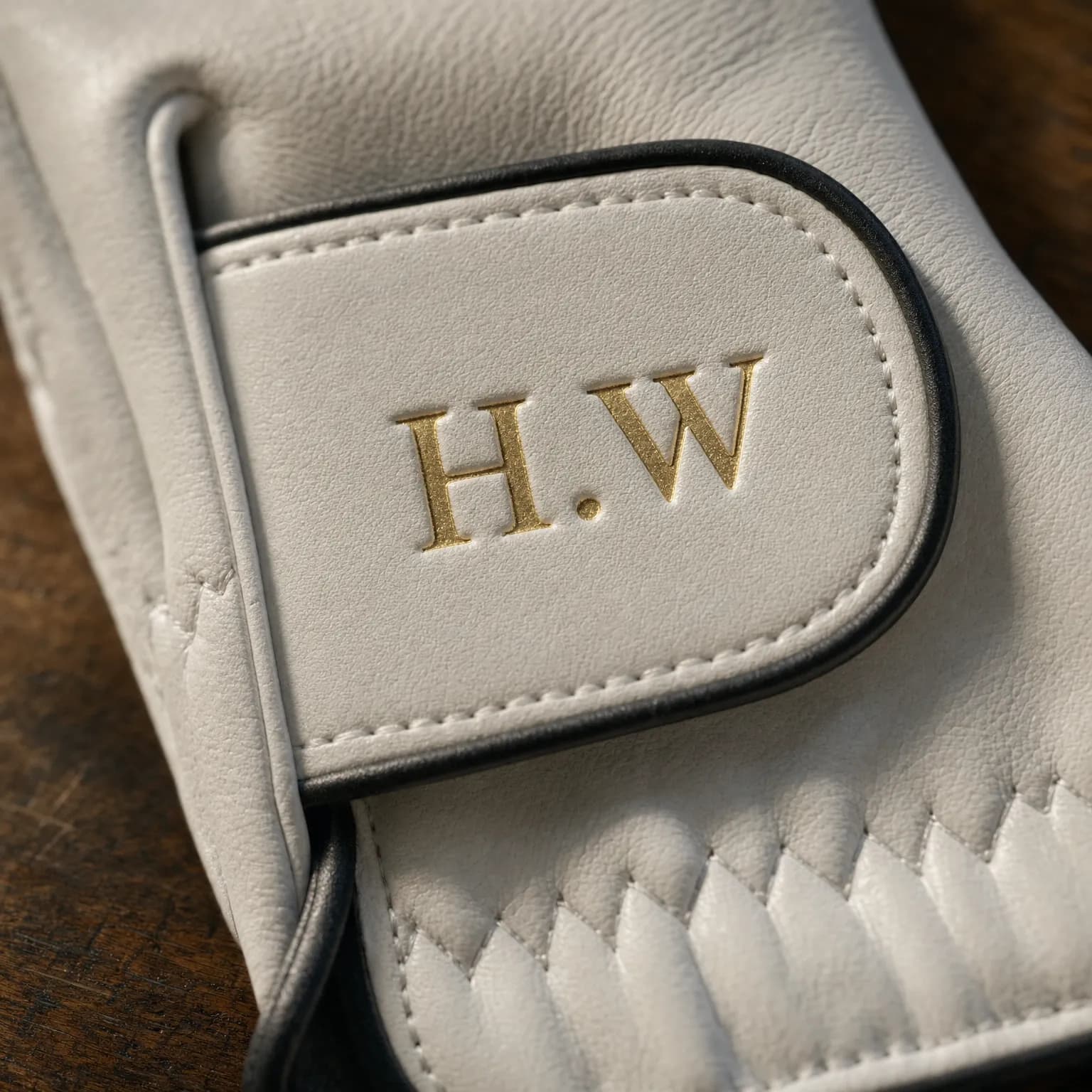
Bundles make rotation easy: two or three gloves in the bag, each one stamped with your initials in real gold foil.
Personalize yours- Free US shipping
- 60-day money-back guarantee